
Build Communities Strong Fund Community stream
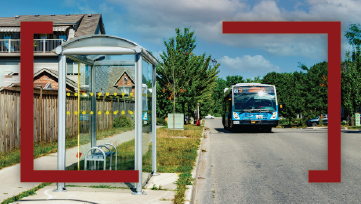
Building a strong Canada starts with building strong communities.
The Build Communities Strong Fund is investing in a wide range of infrastructure projects that support economic prosperity, housing, sport, education, health, transit, and climate adaptation.
It provides $51 billion over 10 years, starting in 2026-27, and $3 billion per year ongoing, to support new and renewed public infrastructure.
On this page
- Overview
- Funding
- Community stream in the provinces and territories
- Reporting
- Frequently asked questions
- Related links
Overview
The Government of Canada is making generational investments in infrastructure to support economic prosperity, housing, education, health, and climate adaptation. As part of these investments, the Canada Community-Building Fund (CCBF) has been rebranded as the Build Communities Strong Fund (BCSF) Community stream.
The Community stream is a stable, predictable, and indexed source of funding provided up front to provinces and territories who, in turn, flow this funding to their communities. The funding allows local communities to make strategic investments in essential infrastructure, such as roads and bridges, public transit, drinking water and wastewater infrastructure, and recreational facilities.
The Community stream delivers over $2.5 billion every year to over 3,700 communities across the country. Communities select how best to invest the funds, having the flexibility to make strategic investments across 19 different project categories:
- public transit
- wastewater infrastructure
- drinking water
- solid waste management
- community energy systems
- local roads and bridges
- capacity building
- highways
- local and regional airports
- short-line rail
- short-sea shipping
- resilience
- broadband and connectivity
- culture
- tourism
- sport
- recreation
- fire halls
- brownfield redevelopment
These investments contribute to the development of Canada's housing supply by supporting infrastructure projects that align with regional housing goals and help to improve housing affordability for Canadians. Community stream funding also contributes to the growth of strong communities, promotes investments in increased productivity and economic growth, and a clean environment. The renewed 10-year Community stream agreements, which came in effect on April 1, 2024, tie access to its funding to actions by provinces, territories, and municipalities to increase housing supply and affordability, where it makes sense to do so.
Over the 10-year agreement period, the Government of Canada will invest $26.7 billion, ensuring that the Community stream continues to provide communities across Canada with a stable, predictable source of bankable funds to build core infrastructure.
The Community stream helps Canadians by supporting local infrastructure projects that improve daily life. Whether it’s upgrading public transit, expanding recreational spaces, or building greener communities, it strengthens the places Canadians live, work, and play. By investing in long-term sustainability and growth, it ensures healthier, more connected, and more resilient communities across the country.
Funding
Allocations
The Community stream is a transfer-based program that provides $2.5 billion per year in funding to communities across Canada. This investment is indexed at 2% and delivered in $100 million increments. The funds are first transferred from the federal government to the provinces and territories who in turn distribute the funding to their communities.
Distribution of Community stream funds to agreement recipients is allocated on a per-capita basis, with some adjustments. The allocations are determined as follows:
- Northwest Territories, Yukon, Nunavut, and Prince Edward Island receive base amounts representing 0.75 percent of the total annual Community stream funding amount.
- Shares for Indigenous communities and the remaining nine provinces are then calculated based on proportionate census data and funds are allocated on a per-capita basis.
- An allocation for the First Nations population on Reserve or on Crown Land in the ten provinces is provided directly to Indigenous Services Canada who combines Community stream funding with other sources of funding and administers the funds through the First Nations Infrastructure Fund program.
- Indigenous populations other than First Nations and First Nations in the territories receive funding through their respective territory based on their status as recognized communities within their respective jurisdiction.
- Funding distribution is adjusted every five years when new census data is available. The allocations for fiscal years 2024-25 through 2028-29 are based on 2021 Census data. Allocations for fiscal years 2029-30 through 2033-34 will be based on 2026 Census data.
- Each province or territory develops its own formula for distributing funds to their communities. These measures are described in each of the Administrative Agreements signed by Canada and each province or territory.
Allocation tables
Allocations for each province or territory, as well as actions to be taken to address housing needs, are confirmed annually through a letter from the Minister of Housing and Infrastructure and Minister responsible for Pacific Economic Development Canada to his or her counterparts. Funds are normally transferred in two equal payments, the first typically in early summer and the second before the end of the fiscal year.
Below are the allocations for each province and territory for fiscal years 2024-25 through 2028-29. Allocations for fiscal years 2029-30 to 2033-34 will be updated following the release of the 2026 Census data.
| Province/Territory | 2024-25 | 2025-26 | 2026-27 | 2027-28 | 2028-29 | Total 2024-29 |
|---|---|---|---|---|---|---|
| Newfoundland and Labrador | $32,144,283 | $33,483,628 | $33,483,628 | $34,822,973 | $34,822,973 | $168,757,485 |
| Prince Edward Island | $18,000,000 | $18,750,000 | $18,750,000 | $19,500,000 | $19,500,000 | $94,500,000 |
| Nova Scotia | $60,740,598 | $63,271,456 | $63,271,456 | $65,802,314 | $65,802,314 | $318,888,138 |
| New Brunswick | $48,540,517 | $50,563,038 | $50,563,038 | $52,585,560 | $52,585,560 | $254,837,713 |
| Quebec | $535,254,991 | $557,557,282 | $557,557,282 | $579,859,573 | $579,859,573 | $2,810,088,701 |
| Ontario | $895,480,297 | $932,791,977 | $932,791,977 | $970,103,656 | $970,103,656 | $4,701,271,563 |
| Manitoba | $79,068,519 | $82,363,041 | $82,363,041 | $85,657,563 | $85,657,563 | $415,109,727 |
| Saskatchewan | $66,732,512 | $69,513,034 | $69,513,034 | $72,293,555 | $72,293,555 | $350,345,690 |
| Alberta | $265,147,285 | $276,195,088 | $276,195,088 | $287,242,892 | $287,242,892 | $1,392,023,245 |
| British Columbia | $313,048,555 | $326,092,245 | $326,092,245 | $339,135,934 | $339,135,934 | $1,643,504,913 |
| Yukon | $18,000,000 | $18,750,000 | $18,750,000 | $19,500,000 | $19,500,000 | $94,500,000 |
| Northwest Territories | $18,000,000 | $18,750,000 | $18,750,000 | $19,500,000 | $19,500,000 | $94,500,000 |
| Nunavut | $18,000,000 | $18,750,000 | $18,750,000 | $19,500,000 | $19,500,000 | $94,500,000 |
| First Nations (via Indigenous Services Canada) |
$31,842,443 | $33,169,211 | $33,169,211 | $34,495,980 | $34,495,980 | $167,172,825 |
| Total | $2,400,000,000 | $2,500,000,000 | $2,500,000,000 | $2,600,000,000 | $2,600,000,000 | $12,600,000,000 |
For more information about allocations for each province and territory for the previous administrative agreements period, please visit: Build Communities Strong Fund Community stream allocation tables 2014-2024.
Community stream in the provinces and territories
The Community stream renewed administrative agreements between the Government of Canada and the provinces and territories came into effect on April 1, 2024 and will be in place until March 31, 2034.
Select a province or territory to access their sub-page where you can find the signed administrative agreements, their websites, and a summary of how the program works in their jurisdictions:
- Alberta
- British Columbia
- Manitoba
- New Brunswick
- Newfoundland and Labrador
- Northwest Territories
- Nova Scotia
- Nunavut
- Ontario
- Prince Edward Island
- Saskatchewan
- Québec
- Yukon
Reporting
The Community stream annual reports provide a comprehensive overview of how federal funds have been invested in municipalities to support local infrastructure. HICC will continue to share reports that share how the Community stream is helping communities ease the pressure on infrastructure in communities.
From 2014 to 2024, the Community stream contributed to significant infrastructure investments across the country. A 10-year report was prepared to demonstrate how the Community stream has increased economic growth and supported building strong, accessible, and sustainable communities.
Select a report below for more details.
- 2023-24 Annual report
- 2014-15 to 2023-24 National report (coming soon)
Frequently asked questions
Project eligibility
To quickly search for specific word(s), hit the Ctrl + F keys at the same time.
How are projects selected? How do I access Community stream funding?
Under the Community stream, the funding is flowed to provinces and territories (PTs) or municipal associations in the case of Ontario and British Columbia, who in turn flow the funding to municipalities. Municipalities select projects within the PT’s program requirements.
Questions related to project selection or accessing of Community stream funding should be directed to the PT managing the fund within their jurisdictions or to the municipality. PT’s website URLs are on the respective PT’s page, found in the section Community stream in the provinces and territories.
Who are the Community stream Ultimate Recipients?
Refer to the PTs administrative agreement on the respective PT’s page, found in the section Community stream in the provinces and territories.
Is funding for feasibility studies eligible under the Community stream?
Yes, funding for feasibility studies is eligible under the Community stream if the project falls under the 19 eligible categories.
Is the acquisition of land eligible under the Community stream?
No, the acquisition or purchase of land or any interest thereon, and related costs is not eligible under the Community stream.
Are schools or hospitals eligible investments under the Community stream?
No, schools, hospitals and costs associated with healthcare infrastructure or assets are not eligible investments under the Community stream. However, they can be retrofitted under the Community energy systems category.
Schools and hospitals are eligible for funding through the Build Communities Strong Fund Provincial and Territorial stream.
Is community relocation eligible under the Community stream?
No, community relocation is not eligible under the Community stream.
Housing conditions
How does the Community stream reflect Housing, Infrastructure and Communities Canada (HICC)’s goal of increasing housing supply and affordability?
The Community stream enables strategic investments in infrastructure essential for the growth of strong communities and enables actions to drive and support housing outcomes.
Housing Needs Assessments (HNAs) for communities with a population of 30,000 and above are a program requirement for Community stream recipients. HNAs help communities gather critical housing data to guide decisions on the type and location of housing to build, as well as the infrastructure needed to support community growth. HNAs should be used in making allocation decisions and in preparing Housing Reports to identify pressures related to infrastructure and capacity building, to prioritize projects according to need, and to measure housing outcomes.
HNAs are made publicly available on the Ultimate Recipient's website.
Does Community stream fund housing projects?
The Community stream does not have a housing category, however, it does support housing by funding the infrastructure needed to build more homes. Provinces, territories and communities will prioritize housing-enabling infrastructure projects, where it makes sense to do so.
Funding
What category has the Community stream funded the most?
From 2014-24, the Local roads and bridges category is the Community stream’s most funded category. The Community stream has funded over 22,500 projects under the Local roads and bridges category, with over $9.7 billion in its contributions.
What are the top 5 funding categories for the Community stream?
From 2014-24, the top 5 categories the Community stream has funded are Local roads and bridges, Public transit, Drinking water, Wastewater infrastructure, and Recreation projects.
How many projects has Community stream supported in past ten years?
From 2014-24 the Community stream has funded over 50,000 projects.
Is there a limit to the use of Community stream funds for eligible projects?
The Community stream is a flexible program that municipalities can apply to a wide range of infrastructure projects. However, guidelines and funding limits are specified in each province or territory’s Administrative Agreements and the Community stream Program Guide.
Can Community stream funding be used as a municipal share for another program? For example, can Community stream funding be used to cover the municipal share required under the Investing in Canada Infrastructure Program?
No, Community stream funds are considered as federal funding and count against stacking rules of other federal programming.
Is Community stream funding stackable with other funding sources (e.g., federal, provincial, and municipal)?
Yes, Community stream funding, which counts as federal funding, is stackable with other funding sources, including federal, provincial and municipal ones. If a project receives funding from the Community stream and from other federal programs, those stacking limits must be respected. Total funding from all levels of government (including municipal, provincial, territorial and federal) cannot exceed 100% of total project costs, and total federal government funding cannot exceed 100% of total eligible project costs under this program.
Related links
Page details
- Date modified: